Photo credit Robbie Mehling/Soc Takes
After a long, dramatic D2 offseason fraught with lawsuits, chaos and #HotTakes, we have finally emerged at the other side with the USL as our now and future D2 league. Last year’s season broke records on and off the field, and raised the bar for what we can expect from the lower divisions, and this year’s season will be the bigger and better yet. To get everybody ready for kickoff, here’s a big-huge preview covering everything you need to know for the 2018 season.
To begin, let’s look at the significant changes from 2017.
First up, the USL is now the official D2 soccer league for the United States, dropping the provisional status from last year. This will be re-examined annually by USSF with the goal of full compliance for the 2020 season. We followed the disputes between the two leagues at length, so there’s no need to get back into that here. Regardless of what our opinions about USSF’s decision are, this is what we have to work with for the year.
Second, USL has grown both in terms of the number of teams and the length of season. USL has been slowly increasing the schedule by two games per team since 2015, going from 28 to 30 to 32 last year. Now, they’re at 34 regular season games, same as MLS. Teams will play every other team in their conference once at home and once on the road, and will fill out their schedule with a third game against either two “regional rivals” for the Western Conference or four for the Eastern Conference. There will be no cross-conference play until the USL championship game.
In terms of team changes, the league has gained two former NASL teams, the Indy Eleven and North Carolina FC; and four new expansion sides, Atlanta United 2, Fresno FC, Las Vegas Lights FC, and Nashville FC. Orlando City B and the Rochester Rhinos have both taken a hiatus for the season, while the Vancouver Whitecaps 2 have been shut down. To balance out the conferences, Saint Louis FC have been moved to the Western Conference
The playoff format is unchanged from last year, with the top 8 teams in each conference making the postseason. I really enjoyed the USL playoffs last year, and they’ll be even better now that literally more than half of the league can’t make the postseason.
Before we jump into the team summaries, here’s a little primer on the USL. While this league technically only dates back to 2011, the United Soccer Leagues organization has operated a number of different leagues at the D2 and D3 levels dating back to 1995, and at the semi-pro level even further back. From 1996 through 2010, USL organized the entire professional pyramid below MLS, along with a de facto D4 league that eventually became the PDL. Four current MLS teams actually once played in the previous USL-operated A-League: Seattle, Montreal, Vancouver, and Portland . In 2010, things got crazy. Nike, who at the time owned a stake in the United Soccer Leagues company, decided to sell. The two primary bidders were an investment company called NuRock, and a group of team owners headed by AC St. Louis owner Jeff Cooper. Enter #SoccerWarz. I’m not going to get into that mess, which led to the creation of the NASL, primarily because my collegue here Kartik Krishnayer wrote an excellent book covering the entire fiasco. The end result was a USSF-operated one-off D2 league for 2010, the birth of the NASL at D2 for 2011 onward, and the organization of a single professional USL league at D3. That league, then called USL Pro, has become the current D2 USL.
This league is kind of insane, and it’s always a close fight to the finish. Last year, going into the final weeks of the season, 27 of the 30 teams were still in contention for a playoff spot. When everything was said and done, the last two playoff teams in both conferences were level on points, and only two points clear 9th place. In the playoffs, we saw the 1 and 3 seeds in the West and the 2 seed in the East knocked out in the first round. And all of this mayhem is streamed live all season long on YouTube for free. You just can’t beat that.
And now onto the team summaries, starting with the Western Conference.
WESTERN CONFERENCE
Colorado Springs Switchbacks FC – Colorado Springs, CO
The Switchbacks’ third season was their worst on the field yet, failing to make the playoffs after two consecutive third place finishes. They also lost their leading scorer from last year, Kevaughn Frater, to Phoenix in the offseason. However, their attendance continues to rise, and the team has added to their returning core with a handful of USL and NASL experienced signings. Coach Steve Trittschuh is also returning for a fourth season. I’m expecting 2018 to look more like 2016 for the Switchbacks.
Fresno FC – Fresno, CA
The first of our expansion teams, Fresno have brought in Frank Yallop as general manager to build their team. They’ve brought in Smith, the former Sacramento assistant, and have already built up a respectable system by buying the PDL Fresno Fuego to serve as their U23 team. Yallop turned Phoenix Rising into a contender last year, but this will be Smith’s first season as a head coach. This team could make some noise this year, even if their jerseys are the most hideous kits in USL.
LA Galaxy II – Carson, CA
Last year went almost as bad for the USL Galaxy as the mothership in MLS. After making the playoffs three years in a row, the team completely fell apart. Their top scorers only scored 6 goals each, and they conceded a league leading 64 goals. That’s two goals conceded per game. They were also the victims of Reno’s 9-0 demolition back in June. But, since they’re a reserve team, don’t expect AEG to pay too much attention to their results on or off the field. While it’s nice for Los Dos to win trophies, it’s not the ultimate goal of the team, and expect to see any standout players get poached for MLS action.
Las Vegas Lights FC – Las Vegas, NV
When Las Vegas got a team, they had two real options for how to play things: either try and act like Vegas is a serious city and this is a serious professional team, or embrace the madness. They, rather correctly, chose the latter. Everything about this team is bonkers, from their neon color scheme to their ridankulous jerseys to signing Freddy goddamn Adu. On a serious note, they didn’t look half bad against DC and Vancouver in preseason, and they’re doing great work at engaging with fans and packing their stadium. They have Chivas USA legend Chelis at the helm alongside his son, a roster filled with Liga MX and MLS vets, and I for one could not be happier. Keep doing exactly what you’re doing, my dudes.
OKC Energy FC – Oklahoma City, OK
- Founded: 2013
- First USL Season: 2014
- Home Stadium: Taft Stadium (7,500)
- Head Coach: Steve Cooke
- 2017 Record: 14-7-11, +5 GD, 49 pts, 6th in West, lost West Final to Swope Park Rangers
- 2017 Attendance: 4,293
- MLS Affiliate: FC Dallas
Last year was by all accounts a pretty good season for the Energy. They made the playoffs, drew solid crowds all season long, and took SPR to 10 rounds on penalty kicks in the conference final. Since then, they’ve retooled the roster, brought in a pair of 2018 draft picks from FC Dallas, and signed Steve Cooke as the new head coach. While you might remember him more for his interim stint as Rapids manager last year, he actually spent two years working with Oscar Pareja at the Rapids academy. Lots of very positive things have come out from both sides, and the Energy were absolutely brilliant in preseason. This team is desperate to make the championship game, and they’re definitely making the right moves to get there.
Orange County SC – Irvine, CA
Last season was a bit of an oddity given Orange County’s recent history. After two years of making the playoffs, Orange County looked in decent shape for another strong finish, before embarking on a nine game winless streak from August into September. That all but sealed their fate, and losses to Colorado Springs and Reno in the final two weeks of the season left them on the outside looking in. In the Open Cup, however, they made it all the way to the fourth round before falling 3-1 to the LA Galaxy. Off the field, though, the team made some big moves, opening their brand-new (and really rather lovely) stadium last May, which helped drive their average attendance all the way up to 2,575. While the team lost a few notable offensive pieces in Irvin Parra and Jerry van Ewijk, and saw star keeper Charlie Lyon signed by LAFC, they’ve brought in a handful of signings with USL and MLS experience, as well as a number of international players. Most curiously is that this team has now had four different head coaches for four different seasons. That’s highly unusual, and likely a big reason behind their inconsistency from year-to-year. That said, they’ve been using their system to develop coaches, having signed their current general manager and head coach from within their own ranks. Considering that Oliver Wyss was part of that excellent 2015 team gives me a good deal of confidence in his decision making. But there’s no denying the revolving door. Hopefully they find some much needed stability.
Phoenix Rising FC – Scottsdale, AZ
In the aftermath of the 2016 season, the team went through a massive overhaul under their new ownership. A rebrand, a new stadium, and changes in the coaching staff took the team from among the worst in the Western Conference to one of the toughest teams in the league. Their attendance went up 317%, and new coach Patrice Carteron immediately made an impact. This year sees even more investment with the goal of joining MLS in the future, and the use of FC Tucson in the PDL as an affiliate. It’s also Didier Drogba’s last season. This is gonna be fun.
Portland Timbers 2 – Portland, OR
- Founded: 2014
- First USL Season: 2015
- Home Stadium: Providence Park (21,144)
- Head Coach: Cameron Knowles
- 2017 Record: 3-6-23, -36 GD, 15 pts, 15th in West
- 2017 Attendance: 2,524
- MLS Affiliate: Portland Timbers (obviously)
Last year’s Timbers 2 side was the hottest garbage I’ve ever seen in USL history. The only team that has ever put up a worse season was the 2013 Antigua Barracuda team that had literally no money and played every single game on the road. T2 managed to lose an absurd 23 games, and had a thirteen game winless streak. Reno’s Dane Kelly alone scored 2/3s as many goals as the entire T2 team last season. The best thing that I can say about them is that at least some of the people on the season ticket waiting list got to see some soccer, if you can call it that. While I normally say that it doesn’t really matter for reserve teams to get results, this was so bad that it could actually hurt the development of those players. Andrew Gregor and Cameron Knowles have traded places, with Gregor returning to the MLS Timbers as an assistant and Knowles taking over the USL side. Hopefully it helps. And for real, T2 had no business playing some of the actual children they did last year. Y’all have a PDL team for that very purpose.
Real Monarchs SLC – Herriman, UT
- Founded: 2014
- First USL Season: 2015
- Home Stadium: Zions Bank Stadium (5,000)
- Head Coach: Mark Briggs
- 2017 Record: 20-7-5, +28 GD, 67 pts, 1st in West, Regular Season champs, Lost First Round to Sacramento Republic
- 2017 Attendance: 2,577
- MLS Affiliate: Real Salt Lake
We’ve seen the worst, now let’s talk about the best. Last year’s Monarchs put on one of the best USL performances in league history. Not only did they lead to Mike Petke getting a new job in MLS, they absolutely dominated the Western Conference complete with a 9 game winning streak (a USL record) and the USL regular season title. Unfortunately, the God of Penalty Kicks once again intervened and sent them packing in the first round. Whatever. This year, they’re continuing to sign promising young players both from their own academy and from other USL and MLS teams, and they’re set to open their absolutely gorgeous new training facility very soon. This massive complex also includes a 5,000 seat USL/Academy stadium, and it’s easily one of the nicest venues in the USL. Dell Loy Hansen is certainly walking the walk when it comes to investing in soccer development. This year, expect more good things from the Monarchs.
Reno 1868 FC – Reno, NV
- Founded: 2015
- First USL Season: 2017
- Home Stadium: Greater Nevada Field (9,013)
- Head Coach: Ian Russell
- 2017 Record: 17-8-7, +36 GD, 59 pts, 3rd in West, Lost First Round to OKC
- 2017 Attendance: 5,559
- MLS Affiliate: San Jose Earthquakes
Reno came into the USL last year with a point to prove, and they made it abundantly clear. This team broke the USL record for most goals in a season with 75, and shattered the single game record with a 9-0 destruction of LA Galaxy II. Dane Kelly had a fantastic season with 18 goals, and got himself signed by DC United last week. We’ve seen a fair bit of roster turnover as the Quakes have called up some players, and they’re now without their leading scorer so it’s a bit unknown as to how they’ll fare this season, but it’s clear that Ian Russell really, really wants to win. And before you go tweet at me saying that it totally doesn’t count because they’re controlled by the Earthquakes, let me preemptively state that I really don’t care. When OKC played Reno last year, I got excited. Same sort of excitement I get when OKC plays the likes of Sacramento. Reno played a lot of really good soccer last year, so appreciate it, and hope they keep it up. Their fans certainly do, and there’s quite a lot of them.
Rio Grande Valley FC Toros – Edinburg, TX
- Founded: 2015
- First USL Season: 2016
- Home Stadium: H-E-B Park (9,735)
- Head Coach: Gerson Echeverry
- 2017 Record: 9-8-15, -13 GD, 35 pts, 11th in West
- 2017 Attendance: 7,067
- MLS Affiliate: Houston Dynamo
- Name: Clumsy and lengthy
In their two seasons of existence, the Toros have seen a season of great success on the field, and a season of stellar attendance. Unfortunately, they were not the same season. All of the good things they did in 2016 didn’t seem to carry over last year, and it became clear that Junior Gonzalez was not as good a head coach as Wilmer Cabrera (which should have been obvious). However, their new stadium is excellent, the fan support has been nothing short of exceptional, and they’ve reloaded their roster with a fresh batch of prospects. And objectively speaking, their season was not all that terrible, even leaving out T2. There’s room to grow and the right sorts of choices are being made. I”m just not sure how Gerson Echeverry will do in USL.
Sacramento Republic FC – Sacramento, CA
- Founded: 2012
- First USL Season: 2014
- Home Stadium: Papa Murphy’s Park (11,569)
- Head Coach: Simon Elliott
- 2017 Record: 13-7-12, +2 GD, 46 pts, 8th in West, lost West Semi-Final to Swope Park Rangers
- 2017 Attendance: 11,569
Sacramento had a bit of a down year on the field. Having finished 1st in the West the previous season, they likely expected to do better than sneaking into the playoffs as an 8th seed. While they did manage to knock out the top-seeded Monarchs from penalty kicks, they then had to deal with Swope Park Rangers and #WaterloggedFieldCausingPlayoffGamesToBeRelocatedFromSwopeParkGate and then, in peak USL fashion, the previous decision being overturned not long after. Either way, Swope Park won the game in their stadium 1-0. In the aftermath, the team parted ways with head coach Paul Buckle, a man most famously known for not being Preki. His replacement, Simon Elliott, comes from the team’s academy program, where he was named USSDA Western Conference U-15/16 Coach of the Year. It’s not a bad choice to promote from within, and part of the benefit of academy systems is their role in developing coaches. The team also brought in Todd Dunivant as general manager, the former San Francisco Deltas Director of Soccer Operations. All in all, lots of smart decisions being made. Oh, and off the field, they sold out every single game last season. Their lowest attendance, highest attendance, and average attendance are all the same number, and it’s the full capacity of their stadium. Incredible.
Saint Louis FC – Fenton, MO
- Founded: 2014
- First USL Season: 2015
- Home Stadium: Toyota Stadium (5,500)
- Head Coach: Anthony Pulis
- 2017 Record: 9-9-14, -13 GD, 36 pts, 12th in East
- 2017 Attendance: 4,571
- Number of Conference Changes: 3
Welcome back to the Western Conference, Saint Louis! Yes, this team has now switched conferences after each of the past three seasons, which is frankly ludicrous. Anyway. Last year didn’t go to plan for Saint Louis. Preki was given a full year to prove himself, and it did not work. Replacing him is Anthony Pulis who spent two years in charge of Orlando City B (not to be confused with his father, Tony Pulis, currently managing Middlesbrough). He’s trimmed the roster a fair bit and brought in a number of USL and NASL vets, and hoping to make the playoffs, finally. Off the field, attendance remained solid despite a third year without a playoff appearance. On a mostly unrelated note, I attended the Saint Louis FC game against the Pittsburgh Riverhounds last August, and it was excellent. I really hope things improve up there. Maybe Pulis the Younger inherited his father’s gift for getting results on a budget.
San Antonio FC – San Antonio, TX
- Founded: 2016
- First USL Season: 2016
- Home Stadium: Toyota Field (8,400)
- Head Coach: Darren Powell
- 2017 Record: 17-11-4, +21 GD, 62 pts, 2nd in West, Lost West Semi-Final to OKC
- 2017 Attendance: 7,152
- MLS Affiliate: New York City FC
San Antonio did in 2017 what few other teams have ever done: they ran a proper rebuilding effort without changing coaches or management. Keeping the same front office from 2016, the team opened the season with a fourteen game unbeaten streak and surged to second in the West. Diego Restrepo put up a league-leading twelve clean sheets, winning him goalkeeper of the year. He, along with much of last year’s core, are returning for this season. However, the team has lost the USL Defender of the Year Sebastian Ibeagha to NYCFC, leading scorer Billy Forbes to Phoenix, and captain Michael Reed to Nashville. They’ve definitely brought in some capable replacements with USL or better experience. We just need Darren Powell to work the same magic he worked last year. Off the field, the team managed to grow their average attendance by nearly 1,000, and were the second-best attended Western Conference team last year. Very, very well done.
Seattle Sounders 2 – Tacoma, WA
- Founded: 2014
- First USL Season: 2015
- Home Stadium: Cheney Stadium (6,500)
- Head Coach: John Hutchinson
- 2017 Record: 9-4-19, -19 GD, 31 pts, 12th in West
- 2017 Attendance: 1,033
- MLS Affiliate: Seattle Sounders
Sounders 2 have made some pretty significant offseason changes. First up, the team has moved southwest from Tukwila to Tacoma, now sharing the Chaney Stadium ballpark with the Tacoma Rainiers. They’re also expected to rebrand in the near future (hopefully) to something more Tacoma specific. They’ve also changed head coaches, with Ezra Hendrickson joining the LA Galaxy as an assistant. Enter John Hutchinson. While he hasn’t done much in the United States yet, he’s a legend in his native Australia, especially among supporters of the Central Coast Mariners. The team is also planning on building a new, 5,000 seat stadium just for S2 adjacent their new home. These are all great decisions to help expand the Sounders presence to Tacoma, and to run this team more like Bethlehem Steel than a typical MLS2 team.
Swope Park Rangers – Overland Park, KS
After making the championship final but losing twice, Swope Park have again signed a new coach. This time, former Sporting KC midfielder and last year’s SPR assistant Paulo Nagamura is in charge. The team has also left the stadium that gave the Swope Park Rangers their name for a stadium in the Kansas-side suburb of Overland Park. This stadium most recently played host to FC Kansas City during the inaugural NWSL season. The Rangers might not play in Swope Park any longer, but they’re almost certainly pushing for that USL championship. Only them and the former Harrisburg City Islanders (now Penn FC) have lost two championship games without a win.
Tulsa Roughnecks FC – Tulsa, OK
- Founded: 2013
- First USL Season: 2015
- Home Stadium: ONEOK Field (7,833)
- Head Coach: Dave Vaudreuil
- 2017 Record: 14-4-14, -3 GD, 46 pts, 7th in West, Lost First Round to San Antonio
- 2017 Attendance: 3,851
- MLS Affiliate: Chicago Fire
Tulsa finally made the playoffs last year, after a particularly disappointing last place finish in 2016. While a number of their standout players have departed, they’re bringing back star goalkeeper Fabian Cerda, the main coaching staff, and now have recently-retired Donovan Ricketts as goalkeeping coach. The one question I have for Tulsa in 2018 is offense, as their top three goalscorers are gone. Losing just one of Svantesson, Caffam or Calistri would hurt. Those three combined for 29 of the team’s 46 goals, and that’s not going to be easy to replace. Maybe they’re hoping that a Ricketts-trained Fabian Cerda can simply keep 34 clean sheets.
EASTERN CONFERENCE
Atlanta United 2 – Lawrenceville, GA
Hey, Atlanta Twonited. Who the hell is this Ray, and what makes him so cool? I need answers. Also, in the face of several MLS teams shutting down their owned-and-operated MLS2 sides in favor of partnering with independent USL teams or running hybrid systems, why did you choose to take this route? And why did you half-ass the branding? I guess I’m not all that surprised, considering how I feel about Atlanta United FC as a brand (spoiler alert: boring). But seriously, you could have called them Gwinnett County United or Lawrenceville something-or-other. In more immediately pressing concerns, their head coach has never coached at the professional level before, and has not been a head coach in an actual competitive game since 2008 (Editor’s note: Atlanta United 2’s head coach, Scott Donnelly, was a part of the coaching staff in India working with the U-17s at the U-17 World Cup). That’s not necessarily a problem, but it does stick out to me when reviewing his career history. But I guess it didn’t work out too bad for that retired lacrosse international who coached DC back in 1996.
Bethlehem Steel FC – Bethlehem, PA
- Founded: 2015
- First USL Season: 2016
- Home Stadium: Goodman Stadium (16,000)
- Head Coach: Brendan Burke
- 2017 Record: 12-8-12, +1 GD, 44 pts, 8th in East, Lost First Round to Louisville
- 2017 Attendance: 3,052
- MLS Affiliate: Philadelphia Union
If you’re looking for a great example of how to effectively use a MLS-owned USL team, this is it. Bethlehem Steel are my absolute favorite team in that category. Their logo is excellent, their name is an homage to one of the legendary early teams in American soccer, and they’re putting down roots of their own in the Lehigh Valley. Take note, every other MLS2 team. Last year was a pretty significant improvement for the Steel. Not only did they make the playoffs, they also grew their attendance by nearly 20%. Brendan Burke is making a name for himself as a competent coach, and was able to get results despite a constantly fluctuating roster. Don’t be surprised if he ends up replacing Union head coach Jim Curtin come June.
Charleston Battery – Charleston, SC
Another year, another solid season for Mike Anhaeuser and the Battery. The team made the USL playoffs for the 10th season in a row, three players made the All-League Second Team, and attendance remained not bad at all. While the team will miss Romario Williams, who has returned to Atlanta, they’ve added Ian Svantesson from Tulsa, and really, you can never count out Mike Anhaeuser and the Battery. He’s easily the most consistent coach in the USL, and the Battery will likely continue to do what they do. However, I would like to see the team follow Pittsburgh and work on updating their brand and making a new marketing push. They could easily sell out every single game with a bit more effort.
Charlotte Independence – Matthews, NC
- Founded: 2014
- First USL Season: 2015
- Home Stadium: Sportsplex at Matthews (2,300)
- Head Coach: Mike Jeffries
- 2017 Record: 13-9-10, +12 GD, 48 pts, 5th in East, Lost First Round to Rochester
- 2017 Attendance: 1,615
- MLS Affiliate: Colorado Rapids
Charlotte had a pretty eventful offseason, including some wealthy new ownership. Former Nucor CEO Dan DiMicco has become the team’s majority owner, with Jim McPhilliamy remaining president and managing partner. This could potentially be the catalyst to finally move into Memorial Stadium. For now, though, the team will continue to play at the Sportsplex at Matthews. However, this venue is not currently viable as a long term division 2 stadium. The reason is simple: D2 stadiums must have a minimum seating capacity of 5,000. Memorial Stadium does fit the bill, and there have been talks on and off since the team was announced about its use for USL, but still nothing official. Soccer-wise, the team lost a number of key players, but with a handful of players on loan from the Rapids, their roster is far from worrying. They wil miss Enzo Martinez, though.
FC Cincinnati – Cincinnati, OH
- Founded: 2015
- First USL Season: 2016
- Home Stadium: Nippert Stadium
- Head Coach: Alan Koch
- 2017 Record: 12-10-10, -2 GD, 46 pts, 6th in East, Lost First Round to Tampa Bay
- 2017 Attendance: a lot
The online soccer media have discussed the two obvious FC Cincinnati topics to death, so I’m not going to bother with either of them. Instead, I’ll pose the following question: Why can’t Cincinnati beat the Tampa Bay Rowdies or the Charleston Battery? For the life of me, I can’t figure it out. Cincy first played the Rowdies in the 3rd Round of the 2016 Open Cup, and lost 1-0 on the road. In 2017, with the Rowdies joining USL, they were guaranteed at least two more games against them. They drew 1-1 at home and lost 2-0 on the road during the regular season, and then Tampa sent them packing in the first round of the playoffs. As for Charleston, they’re the team that welcomed Cincy to the USL with a road loss back in 2016, drew 1-1 in Cincinnati several months later, and then handed Cincinnati a playoff loss at home in the First Round in 2016. 2017 started in exactly the same fashion, with FC Cincinnati losing on the road in Charleston, and then settling for a draw when the Battery came to Ohio. I did a bit more research, and against every other Eastern Conference team from the 2016 and 2017 seasons, Cincinnati has at least one win. Except for these two. I don’t know what this means, but it’s highly intriguing. And to top it all off, for the third consecutive season, Cincinnati’s first game is on the road in Charleston. If history is any guide, my money’s on the Battery.
Indy Eleven – Indianapolis, IN
Welcome to the USL, Indianapolis! I’m so excited that the Eleven joined USL. They’ve been so much fun to watch over the past few years, and I’m eagerly anticipating their first games against Louisville and Cincinnati. They’ve also made some serious changes to go along with their new league, the biggest being a move to Lucas Oil Stadium. While that venue does technically seat 62,421 in the normal configuration, the team website indicates that they’ll be using something closer to around 15,000. Still, though, that’s so much nicer than Carroll Stadium, and might even see them break their season 1 attendance record. I’ve been on the field in Lucas Oil Stadium before, and it’s easily one of my favorite stadiums ever. Another significant change is the hiring of Martin Rennie as head coach. While he’s probably best known for two inconsistent seasons in Vancouver, he once led the Carolina Railhawks during their three most successful seasons from 2009 through 2011, and he recently built a brand new team in Seoul E-Park into a promotion contender in year one. It’s a pretty smart pick, and he’s already brought in some impressive names with NASL and MLS experience. Things are definitely looking up for Indy.
Louisville City FC – Louisville, KY
Last year could not have gone much better for Louisville. They were the undisputed best team in the Eastern Conference, finishing an absurd eight points clear of Charleston, made short work of Bethlehem and Rochester in the playoffs, finally got revenge on the Baby Bulls, and won the championship game in the dying moments. For 2018, the vast majority of the team has returned, including ten of the eleven starters from the championship game. The team also got approval from the Louisville Metro Council for their new 10,000 seat stadium, expandable to 25,000, which is scheduled to open for the 2020 season. There’s not much left to say about this team. If you’re looking for a preseason favorite to win it all, look no further.
Nashville SC – Nashville, TN
Nashville is a USL expansion team that’s been years in the making, dating back to the original plans of the NPSL Nashville FC. They’re finally here, but they might not be for long. That’s because Nashville was the first city selected by MLS for their next round of expansion, and the MLS bid owns this team. This is still speculative, but to me it looks like they’re using this team primarily to prepare for MLS in 2019 or 2020, and it wouldn’t be surprising to see the Nashville MLS team adopt the Nashville SC brand. They’ve picked a head coach with MLS experience, Gary Smith, who allegedly once won an MLS Cup. There’s already so much hype around this team that they’ve moved their home opener to Nissan Stadium, home of the Tennessee Titans.
New York Red Bulls II – Montclair, NJ
2017 was not going to be as dominant for the Baby Bulls as their record setting 2016 season, simply because a fair few of those players got promoted. And that’s the whole point of such a team. But even with some serious roster turnover, Wolyniec still managed to haul that team to the Eastern Conference Final. This year, the same sort of thing has once again happened, with leading scorer Stefano Bonomo among the four players promoted to the first team. And with those positive statements taken care of, here’s my primary grievance with this team. What the hell is going on with your attendance? A 632 average, even by MLS2 team standards, is pathetic, and that’s still a record high for NYRB2. To put things in perspective, Sacramento drew more fans per game than NYRB2 did in total all season long. NYRB2 drew less than 15% of the league average, and less than half of the lowest attended independent team (Charlotte). I did a bit of research, and fount that the independent baseball team in Montclair, the New Jersey Jackals, managed to average 1,652, and bring in a total of 91,892 fans last year. I get that there are ongoing renovations at that stadium, and I get that Red Bull is definitely wealthy enough to not need to make money on USL games, but at least act like you’re trying. There’s clearly a market for sports in Montclair. Maybe use that, and market to those people, and make some new soccer fans.
North Carolina FC – Cary, NC
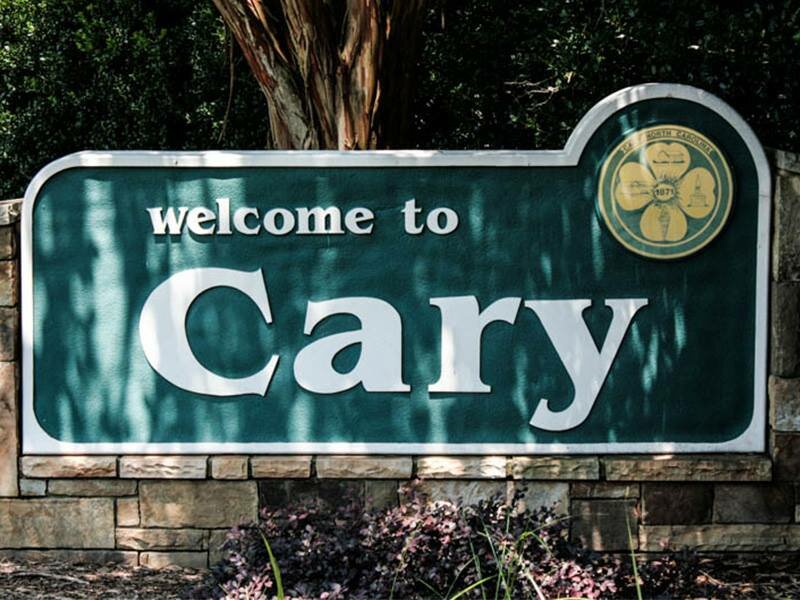
Welcome back to the USL, RailHawks! I mean NCFC! This team was the only team to play in all seven NASL seasons. In a league known for instability among its clubs, they were remarkably stable. If you, yes you, dear reader, are one of the people who consider the team’s owner Stephen Malik a traitor against the NASL, let me be the first to cordially and respectfully invite you to stop talking. The man came in to save a team that, lest we forget, was very nearly a casualty of the Traffic Sports USA fiasco. Anyway. I’m not alone in my excitement from having NCFC joining USL. We now have three teams in the league from the Carolinas, which should hopefully make for some excellent rivalry games. Last season in the NASL went much better than the previous three, and Curt Johnson and Colin Clarke are building a pretty solid team for their second USL debut. If I have but one criticism to make, it’s that I still miss the RailHawks brand.
Ottawa Fury FC – Ottawa, ON
- Founded: 2011
- First USL Season: 2017
- Home Stadium: TD Place Stadium (24,000)
- Head Coach: Nikola Popovic
- 2017 Record: 8-14-10, +1 GD, 38 pts, 10th in East
- 2017 Attendance: 5,427
- MLS Affiliate: Montreal Impact
Ottawa’s first season in the USL was a bit of an odd one. The team spent the first third of the season near the bottom of their conference, followed by a not-half-bad summer that saw them sitting as high as fifth in June, and then six weeks later, head coach Paul Dalglish quit. Over the final twelve games under Julian de Guzman, the Fury won only one, drew 8, and lost 3. If 14 drawn games feels like a lot, that’s because it is. In fact, it’s a USL record. Off the field, former assistant/caretaker coach Julian de Guzman has become the team’s technical director, and Nikola Popovic is the new head coach. He’s fresh off a championship final loss at the helm of Swope Park, and it’s a pretty smart choice, even if he’s no Marc Dos Santos. In player news, the Fury have picked up a handful of guys from the NASL and MLS, and the roster remains rather quite Canadian. I’m expecting Ottawa to contend for the playoffs this year.
Penn FC – Harrisburg, PA
- Founded: 2003
- First USL Season: 2004
- Home Stadium: FNB Field (6,187)
- Head Coach: Raoul Voss
- 2017 Record: 10-7-15, -19 GD, 37 pts, 11th in East
- 2017 Attendance: 2,429
The Harrisburg City Islanders have been sold and rebranded as Penn FC. We covered the details a few months ago when this all unfolded. They’re now operated by Rush Soccer, one of the largest youth development programs in the country. They also have a new coach for the first time since their foundation. Longtime coach Bill Becher has become the technical advisor, with Raoul Voss named as his replacement. Voss spent the past five seasons as an assistant with the Fort Lauderdale Strikers and Tampa Bay Rowdies. This is his first head coach appointment. The team has begun a new era under their new name by dramatically overhauling the roster, and I don’t blame them. Last year saw the team go through two lengthy winless stretches, and they finished with the second worst goal differential in their conference. A significant reason why Rush Soccer bought the team is to provide a professional opportunity for the strongest prospects in their system. Expect to see many young players make their professional debuts with this team over the coming seasons.
Pittsburgh Riverhounds SC – Pittsburgh, PA
- Founded: 1998
- First USL Season: 1999
- Home Stadium: Highmark Stadium (5,000)
- Head Coach: Bob Lilley
- 2017 Record: 8-12-12, -9 GD, 36 pts, 13th in East
- 2017 Attendance: 2,686
Everybody, stop reading this and go look at Pittsburgh’s new logo and jerseys for a minute. I’ll wait. Seriously, go do it, it’s worth the time. Ok, you’re done? Great. Isn’t that logo so, so much nicer than anything they’ve had before? I’m very impressed with what they’ve done. And that’s not the only change. The team is also investing in some stadium expansion and renovations to bring them up to D2 standards, as well as improve the gameday experience. They’re also making a new push on marketing the team. All of this is excellent news. The team has also hired Bob Lilley, who won the 2015 championship with Rochester, and who brought along a number of former Rhinos to Pittsburgh. Through 8 preseason games this year, the team has 8 wins by a combined score of 20 to 6. Things are looking very promising for the modernized Hounds.
Richmond Kickers – Richmond, VA
- Founded: 1993
- First USL Season: 1993
- Home Stadium: City Stadium (9,000)
- Head Coach: Leigh Cowlishaw
- 2017 Record: 8-8-16, -12 GD, 32 pts, 14th in East
- 2017 Attendance: 4,665
- MLS Affiliate: DC United
Last season was great for Richmond everywhere but on the field. Their attendance grew another 17% to a new all time high for the club and they signed a deal to broadcast every single game on local OTA TV. On the field was a completely different story. The team scored only 24 goal all season, good for the worst season offensively since the moribund 2013 Antigua Barracuda. It was also the first season since 2003 that the Kickers failed to make the playoffs. They’ve responded by signing a trio of new forwards and retooling their roster around nearly a dozen new players. Considering just how far from the norm last season was, coupled with just how consistent Cowlishaw’s Kickers squads have been over the past decade and change, don’t expect a repeat of last year.
Tampa Bay Rowdies – St. Petersburg, FL
- Founded: 2008
- First USL Season: 2017
- Home Stadium: Al Lang Stadium (7,500)
- Head Coach: Stuart Campbell
- 2017 Record: 14-11-7, +15 GD, 53 pts, 3rd in East, Lost East Semi-Final to NYRB2
- 2017 Attendance: 5,894
The Rowdies had about as good of a USL debut as you could expect, finding some much needed consistency compared to their last few years in the NASL. Georgi Hristov had another fantastic season, and Marcel Schäfer finished second place in assists, tied with NYRB2’s Bezecourt with 11. Both of them, along with the majority of the team’s core, are back for 2018. The most notable departure is long time starting goalkeeper Matt Pickens, who has joined Nashville. While normally losing a player like that would hurt, they have a more than capable replacement in Cody Mizell, fresh off a solid season in Charlotte. Looking at their transfers, it seems that for each player they’ve lost, they’ve signed two or more replacements, and on paper, they have one of the strongest rosters in the Eastern Conference. I’m predicting they make some noise in the playoffs again.
Toronto FC II – Toronto, ON
TFC2 have been perennial losers in their three years in USL, and few players have worked their way up to the first team. This year, they’ve made some administrative changes that will hopefully fix some of their problems. Firstly, Jason Bent is out as head coach, with academy director Laurent Guyot taking over. As for venues, they’re spreading their 17 home games across three different stadiums. Their primary home, Lamport Stadium, is undergoing renovations and won’t be ready until the summer, moving the majority of games to BMO Field. Additionally, the team will play as the home team for four quasi-neutral-site games in Rochester at the normal home of the Rhinos. Why? Because if the Rhinos owners don’t hold at least some professional soccer games this season, they’re at risk of eviction. Fortunately, things seem to be headed in a positive direction between the Rhinos and the city of Rochester. But quite a few people aren’t thrilled about the arrangement.
That’s every single one of the 33 teams playing in 2018. Now, let’s take a brief look at the three teams that aren’t returning.
Vancouver Whitecaps FC 2
Despite posting a not-too-shabby 2016 season that saw the ThunderCaps make the Western Conference Final, the team’s form and attendance plummeted last year, and the Whitecaps elected to instead affiliate with Fresno moving forward. This marks the second time an MLS team has folded their USL reserve side, following Montreal at the end of 2016.
Orlando City B
Orlando City B have elected to sit out the season while they “evaluate its options” for the future. I’m not entirely sure what they really mean by that. Speculation says they might join USLD3 next year, or might set up a hybrid team like Bethlehem or Reno that plays somewhere outside Orlando but still in Florida. My guess is that they may end up partnering with the Lakeland Tropics who are already working to join USLD3. If that’s the case, this is less of a hiatus and more of a very quiet folding.
Rochester Rhinos
The Rhinos have been a steadfast institution of lower division soccer since their founding back in 1996, and still remain the only professional team outside MLS to win the Open Cup. But things are not looking good up in Rochester right now. The problems began in January 2016 when the team was taken over by the league. Despite winning the USL championship only weeks earlier, the team was in financial disarray, and then-owner Rob Clark had been caught in battles with the city over unpaid rent. The league then began shopping for new ownership, and decided on the Dworkin family, minority owners of the Sacramento Kings. Unfortunately, they didn’t really have the resources to fix the problems, and following the end of the 2017 season, started looking for additional investment for 2018. That money never came, and they elected to take a season off. The USL in all of this has been as understanding as they possibly can be, and the Rhinos are still considered “in good standing” with the league office. The team is still planning to relaunch for 2019, hopefully with the additional investment they need, and potentially in the less expensive USLD3. The Dworkins have also reduced expenses with the Major League Lacrosse team they operated, the Rochester Rattlers, relocating to Frisco, TX, for 2018. In order to remain in compliance with their stadium lease, they’ll be hosting four USL games with Toronto FC II as the “home” team this season.
OK, so that’s 36 USL teams more or less explained. The season begins tonight with two games: RGV vs. Saint Louis, and S2 vs. T2.
Follow John on Twitter: @JohnMLTX.
Support Soc Takes on Patreon for access to exclusive content and supporter benefits. Click here to become a patron today.
Related


 The New York Cosmos have stayed busy boosting up their roster this offseason. Among a number of new players added on are former Indy Eleven player Kevin Venegas, Salvatore Barone, Junior Burgos, Garrett Halfhill and Jochen Graf. The mix of players will join the team ahead of the first-ever…
 Cleveland SC had heard the horror stories of rushed NPSL launches. They don’t always go so swimmingly. Take the case of Los Angeles-based City of Angels FC, for example. In about two weeks’ time, the club assembled a roster, landed a venue, and designed a crest and kit. While…
 Chattanooga FC co-founder and president Sheldon Grizzle joins co-hosts Jason Davis and Nipun Chopra to discuss the team’s recent decision to open the club up to fan ownership. The move has already proven wildly successful as the team prepares for its first season in the professional ranks as a…
 The following is a story by guest contributor Kyle Eliason: MINNEAPOLIS — This past weekend, 90-plus owners of National Premier Soccer League clubs gathered at the W Hotel in downtown Minneapolis for the league’s Annual Owners Meeting. A member-owned and operated organization, those assembled discussed the NPSL’s plans for…
 During International Women’s Day weekend, Record.com columnist Ignacio “Fantasma” Suarez published a story about a first-division player involved in a sexual scandal. Despite the damaging and compelling testimony from the victim, the institution that represents the player, Pumas, denied every single part of the column in a press release….
 Overwhelming evidence demonstrates that in recent times, the success of a football club comes with economic ambition and sports intelligence. The previous argument was mostly seen in European leagues like Germany, France, Spain, Italy and England. It’s also seen in the UEFA Champions League, in which teams with substantial…
 As the MLS expansion project keeps its track, the American soccer market is gaining the attention of Liga MX assets, coaches, executives and Mexican footballers. The wages, lifestyle and multiculturalism of MLS seduce underpaid talent. One of the missions of MLS is to attract the attention of the Latino…
 The relationship of Marcelo Gallardo and the Copa Libertadores feels like the union of two different poles in a magnet: they’ll attract to each other, no matter the circumstances. After walking through the empty halls of relegation, River Plate found a talisman in Marcelo Gallardo. And it made sense,…
 What happened to the FIFA Disciplinary Code that promised to protect the integrity of the game and downplay racism? Italy fell back into the hands of an old demon. Verona’s racism targeted Brescia’s Mario Balotelli with loud gorilla noises every time he contacted the ball. The Italian striker committed…
 The most exciting factor of any playoffs is that often the best team of the regular season doesn’t win the championship. And the full domination of Los Angeles FC by the Seattle Sounders was not the exception to the standard rule. LAFC broke or reached every MLS record, became…
 Los Angeles FC is in dangerous territory. October will define if it’s remembered as the most ambitious project in the history of MLS or as another good team with an impeccable campaign. If LAFC doesn’t culminate 2019 with the MLS Cup, it’s going to be a statistic, a precedent,…
 Football fans should be happy that the UEFA Champions League is back on track. European football brightness is always great to watch, and even more so during Tuesday and Wednesday afternoons. Although the Champions League is an excellent option for sports gamblers, keep your money out of the group…
 “A lot of people say that football has nothing to do with life. I don’t know how much they know about life, but they don’t know anything about football.” That’s how Argentinean winger Angel Di Maria ended a reflexive social media post that echoed beyond his followers. His message…
 In the last months, FIFA implemented a particular set of rules. Handballs, goal kicks, free kicks and dead balls had changes in addition to what new FIFA legal director Emilio Garcia Silvero did for the game. The FIFA 2019 Disciplinary Code will allow referees to suspend the match in…
 Football is benevolent with peculiar characters. Some of them grew up with a star on their forehead, called to be the next heroes. But instead, they spent their careers as nomads, looking for a place to fit in. Giovani Dos Santos had many chances to become the player that…
 Fearless, practical, and organized. There is an exponential growth when Sweden faces challenging opponents in tournaments like the Women’s World Cup and Olympic Games. There is an “I believe” magnet that the Swedish have when they play against teams that on paper are slightly superior to them. The Scandinavians…